


On May 21st, the Education Cooperation Exhibition at the Silk Road International Exposition (Silk Expo) continued to draw significant attention. Chang'an University took center stage, showcasing a series of major achievements including China-Uzbekistan joint education programs, think tank platform development, and transportation talent cultivation. Relying on its profound academic heritage and solid track record in international cooperation, the university has become a focal point for China-Central Asia cultural exchanges and educational collaborative development at this year's expo.
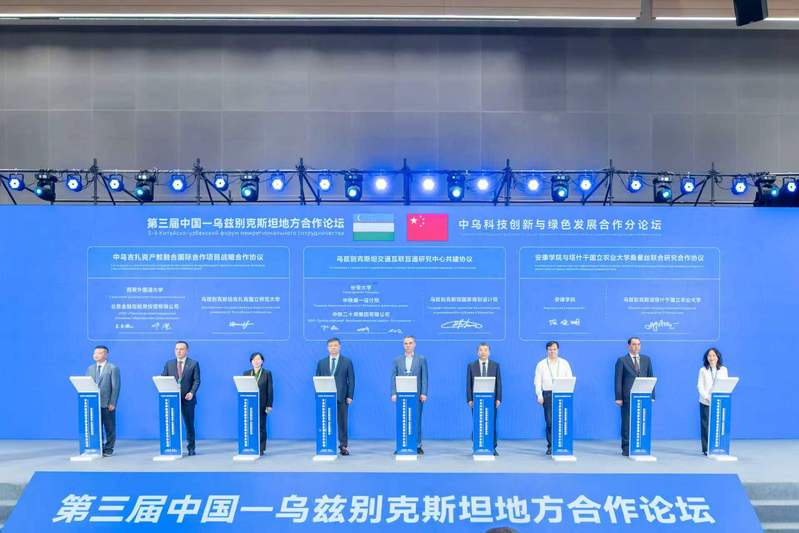
Leveraging the high-end exchange platform of the Silk Expo, Chang'an University took the lead by linking up with leading industry units such as the Uzbekistan State Design Institute, China Railway 20th Bureau, and the China Railway First Survey and Design Institute to launch the China-Uzbekistan Connectivity Research Center, establishing a specialized and high-end science and education think tank platform. This platform can provide a full chain of professional services—including situation analysis, industry assessment, and scientific research verification—for bilateral investment between Chinese and Uzbek enterprises. It helps promote the localization of Chinese transportation engineering technical standards in Central Asia and solidifies the foundation for bilateral scientific research collaboration and deep cultural exchange.
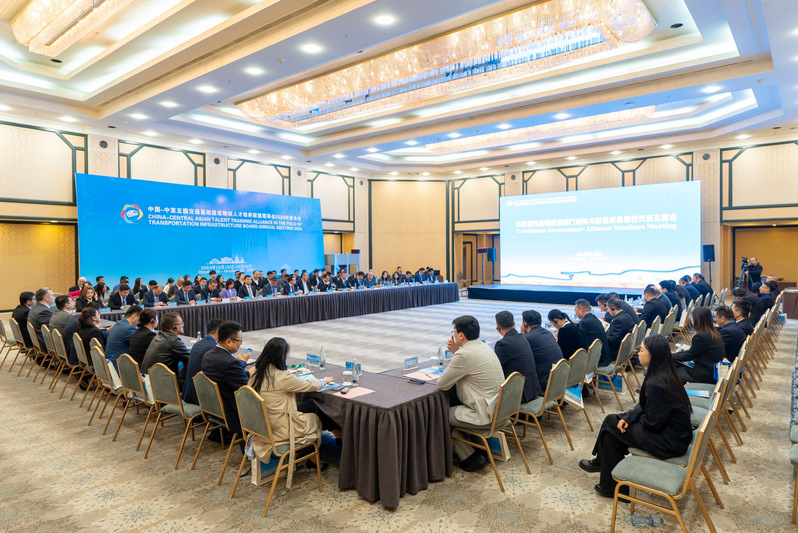
On October 2024, the university hosted the 2nd Council Meeting of the China-Central Asia Five Countries Transport Infrastructure Construction Talent Training Alliance in Tashkent.
Zhang Wei, Dean of the School of International Education at Chang'an University, stated that giving someone a fish is not as good as teaching them how to fish. In the process of friendly cooperation between China and Uzbekistan, as well as between China and other Central Asian countries, Chang'an University takes initiative and acts proactively, using educational connectivity to link people's hearts and empower pragmatic bilateral cooperation. Currently, the university has successfully completed two batches of specialized training for senior Uzbek engineering officials. Subsequently, it will continue to undertake faculty training programs for universities in Uzbekistan's Syr Darya region and Tashkent State Transport University, steadily extending its mature international cooperation model to Central Asian countries such as Turkmenistan and Kazakhstan.

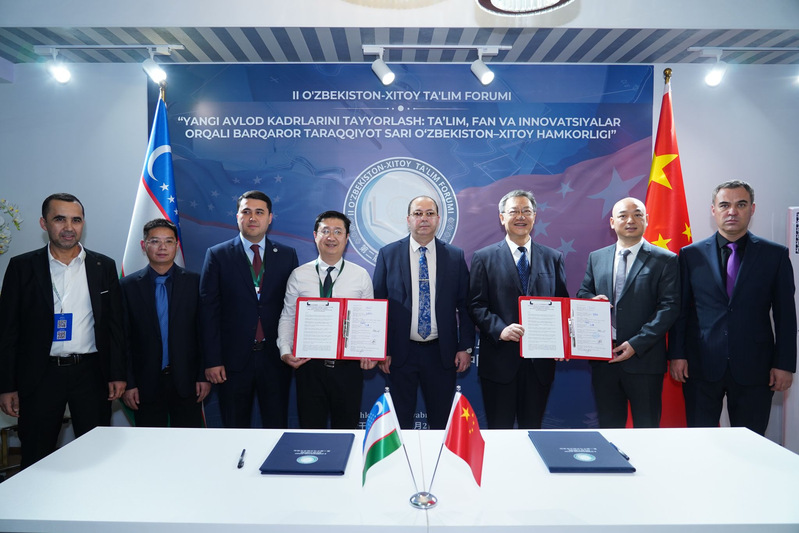
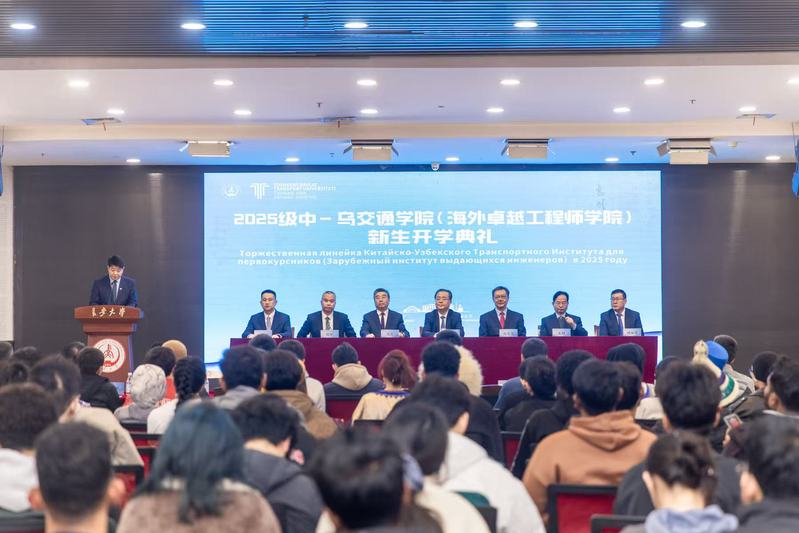
As a benchmark project for national transportation-related Sino-foreign cooperative education, the China-Uzbekistan Transport College was officially inaugurated in 2025. Established jointly by Chang'an University and Tashkent State Transport University, this project is an important deliverable of the Shaanxi-Uzbekistan Local Cooperation Forum, with the First Deputy Minister of Education of Uzbekistan attending and witnessing the unveiling ceremony.
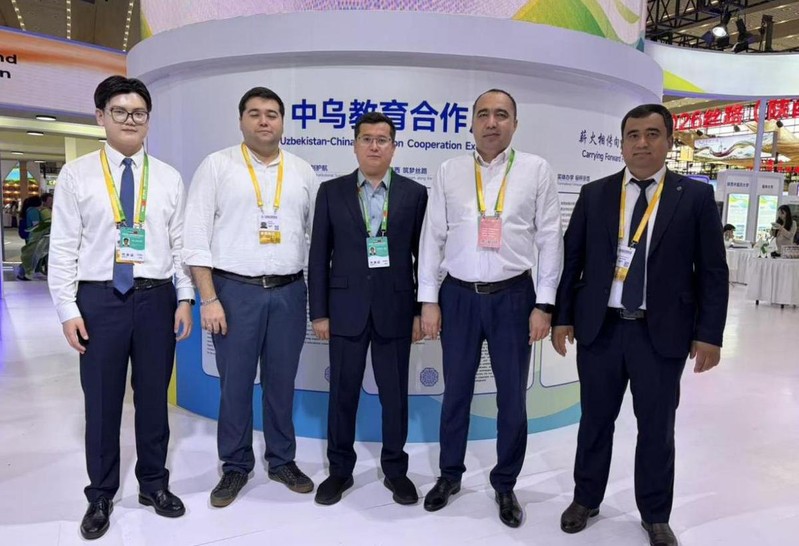
Absosatov Yusuf stated that the Silk Expo platform is professional, pragmatic, and efficient in docking resources, effectively promoting the deepening of cooperation between Chinese and Uzbek universities. Currently, Uzbekistan is making every effort to advance infrastructure construction in transportation, energy, and other sectors, resulting in a significant gap in high-end engineering technical talent. To this end, Tashkent State Technical University has listed its cooperation with Chang'an University as a top priority for the whole school. Jointly trained excellence engineers can directly participate in the construction of Uzbekistan's expressway networks, arterial highways, and various major infrastructure projects. Graduates can quickly take up their posts and precisely solve practical problems in local engineering construction.
In 2025, the first batch of Uzbek graduate students successfully entered the school to pursue further studies in China. In 2026, the university plans to enroll 200 students from Uzbekistan, including 50 master's students and 150 undergraduates, covering majors such as transportation engineering, civil engineering, infrastructure planning, and automotive AI—fields in short supply in Central Asia. This move accurately aligns with Uzbekistan's infrastructure development needs and the employment demands of Chinese-funded enterprises operating in the country.
For people-to-people bonds to connect, education must go first, introduced Zhang Wei. Central Asian countries have strong demand for infrastructure upgrading and huge development potential. In 2023, entrusted by the Shaanxi Provincial Party Committee and Provincial Government, Chang'an University took the lead in establishing the China-Central Asia Five Countries Transport Infrastructure Construction Talent Training Alliance, attracting more than 60 universities, scientific research institutions, and industry enterprises from the five Central Asian countries. The alliance has held three council meetings and promoted the alignment of transportation engineering technical standards twice, forming landmark achievements such as the Tashkent Declarationand the Xi'an Consensus, providing dual guarantees of talent and technology for Chinese enterprises to deepen their roots in the Central Asian infrastructure market.
Conclusion
